
Site Prep Photo Guide
Concrete Slabs, Up Close
What a properly built pad looks like before the steel ever arrives — footings, rebar, and the pour itself.
Before the steel goes up, the pad goes down. If you're researching site prep for a metal building, these photos show the three pieces that matter most: perimeter footings formed in the soil, a rebar grid tied off and suspended at the right height, and a pump truck placing concrete where a mixer can't reach. Knowing what each stage looks like makes it a lot easier to judge the quotes you're comparing.
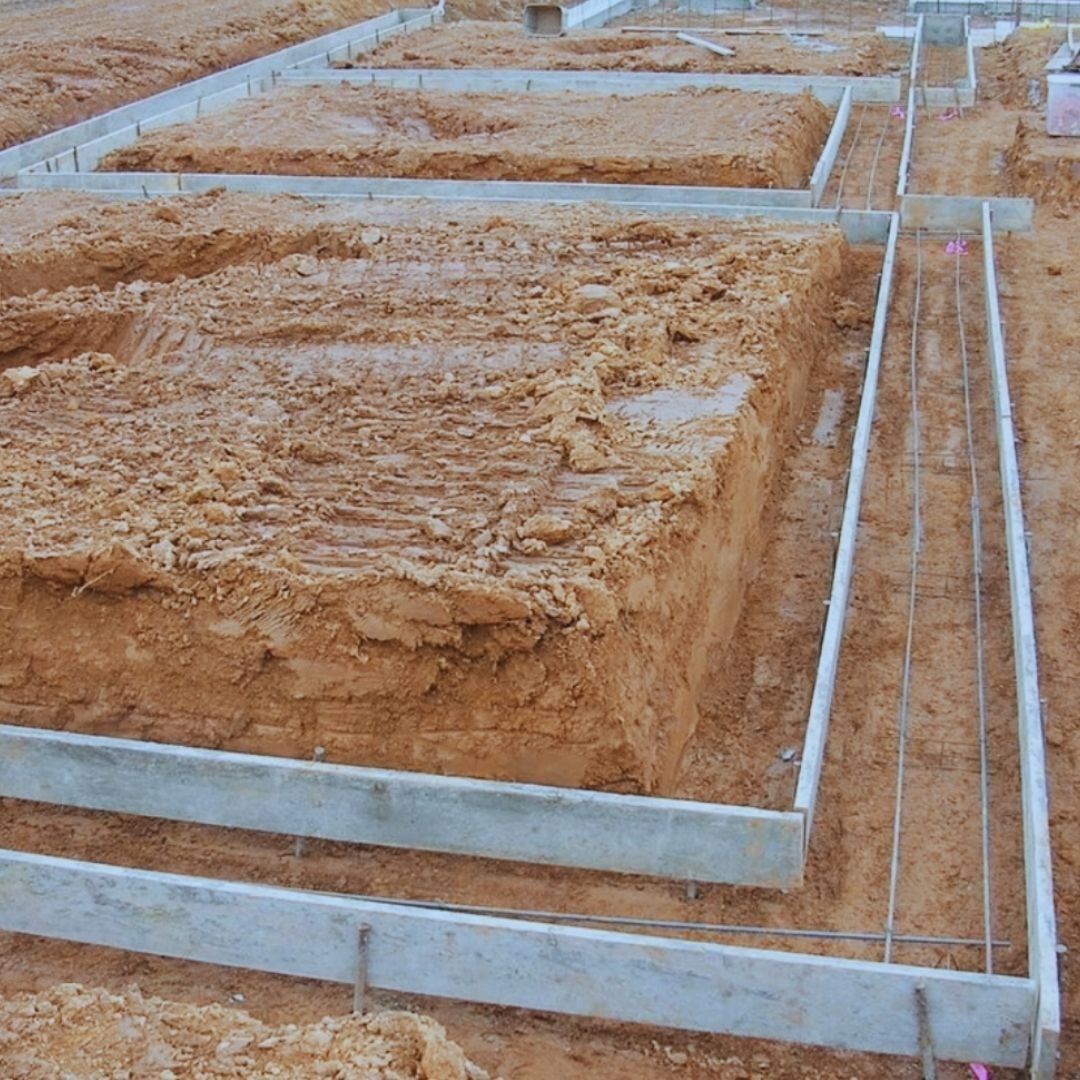
Footing Forms
Perimeter footings trenched and formed before the pour — this is where the slab gets its edge strength, and where your building's anchor points tie in.
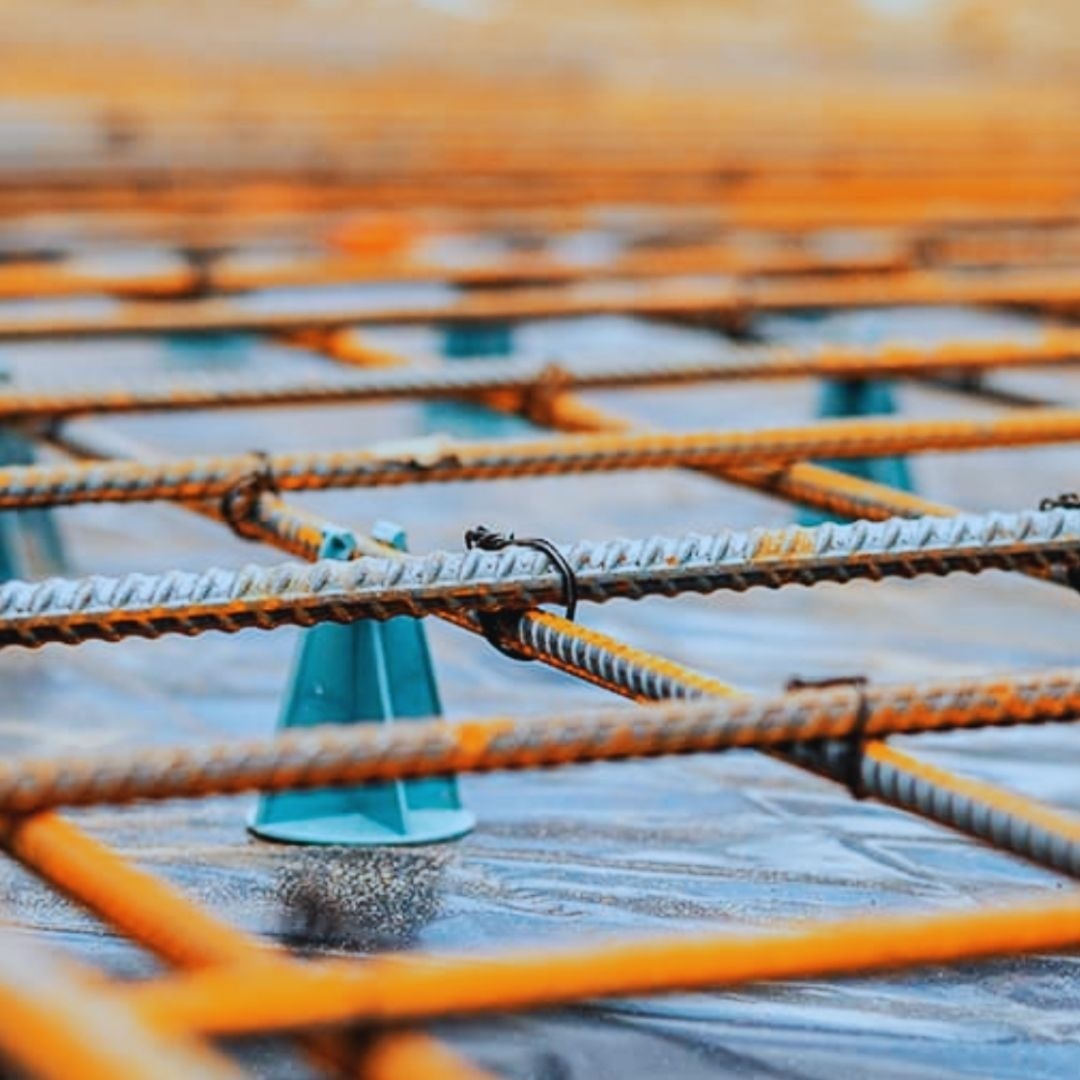
Rebar Grid
Rebar tied off on chairs and suspended mid-slab, so the steel reinforcement sits where it should — not settled at the bottom of the pour.
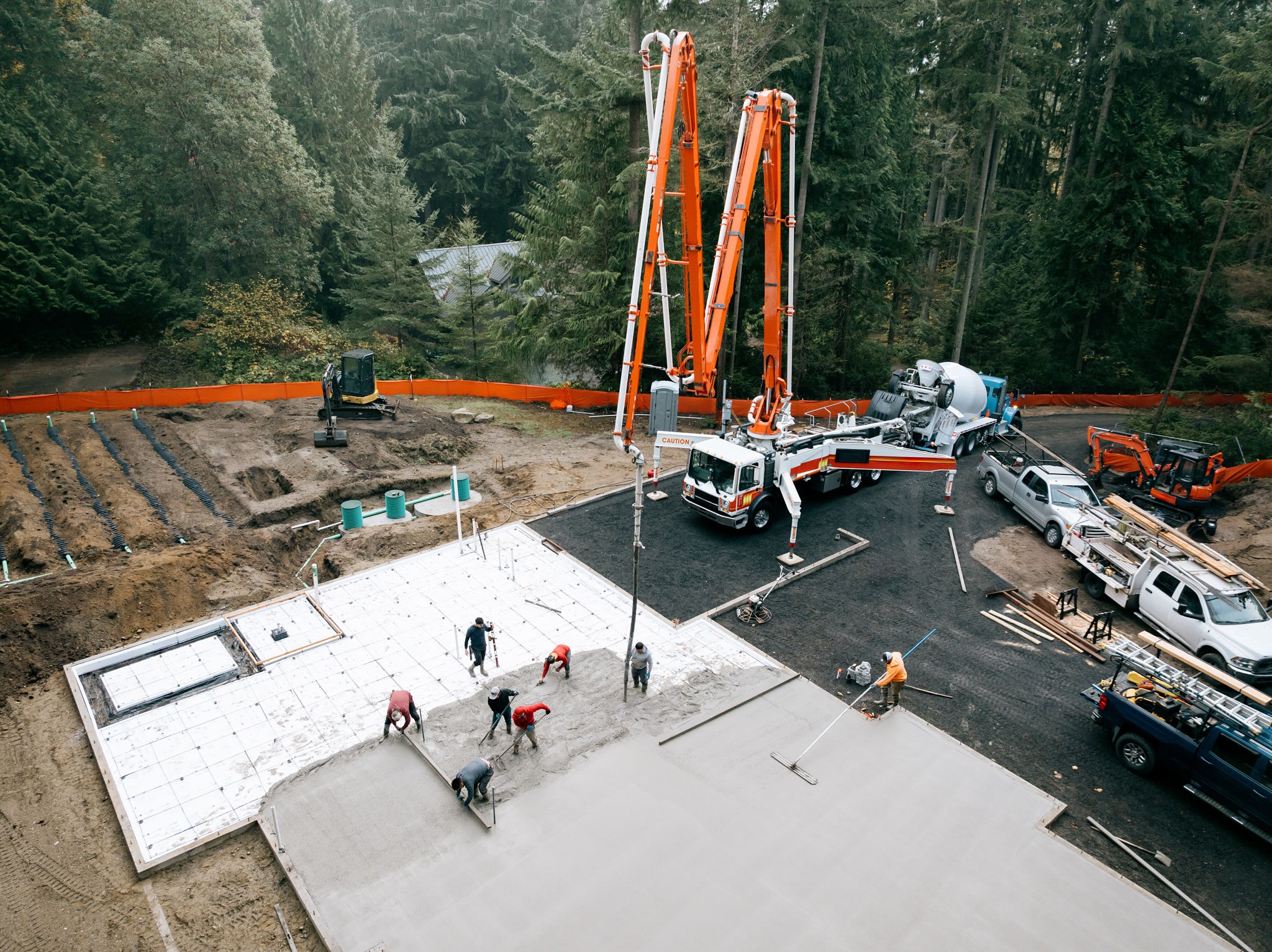
Pump Truck Pour
A pump truck places concrete exactly where it needs to go when the mixer can't reach the pad directly — common on tight, sloped, or wooded lots.
Planning Your Site?
We'll walk your site with you — slab thickness, footings, drainage, and what your building actually needs — before you commit to a number.